
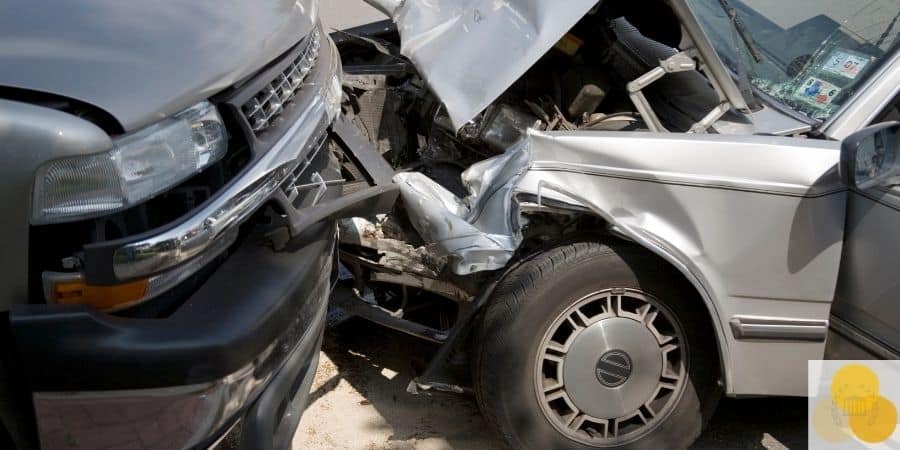
You were hurt in a crash, and the police, the insurance letters and maybe your own family keep calling it an “accident.” If that word has you wondering whether anyone will be held responsible, that’s a fair question.
Here’s the plain answer: a car crash and a car accident are the same event, and neither word decides who was at fault. Federal safety officials, New York City’s police and the Associated Press Stylebook moved toward “crash” or “collision” because “accident” can suggest that no one could have prevented it, or that no one is to blame. But fault is decided the same way whichever word is used: by the evidence of who failed to use reasonable care.
The real obstacle isn’t the word. It’s the claims process, where adjusters who handle crash claims every day weigh what you say, at the scene and afterward, when they decide how much of the blame to put on you.
Told it was "just an accident"? Get a free case review. Four quick questions, no cost, no obligation.
Is there a difference between a car crash and a car accident?
Not in what happened: both words describe the same collision. “Accident” implies something unplanned and, to many ears, unavoidable; “crash” and “collision” simply describe the event.
Michigan uses both. Its Vehicle Code requires a driver to report an “accident” on a public road that injures or kills anyone, or appears to damage property by $1,000 or more, to the police immediately (MCL 257.622, 257.601). Police then record it on the State of Michigan Traffic Crash Report, the UD-10 (Michigan State Police).
Why did safety agencies stop saying “accident”?
Because they see crashes as preventable. In June 1997, the National Highway Traffic Safety Administration (NHTSA) launched a national campaign called “Crashes Aren’t Accidents.” Its proclamation called motor vehicle crashes and injuries “predictable, preventable events” and said the word “accident” makes them seem outside human control. NHTSA said it would stop using “accident” in its publications and recommended “crash,” “collision,” “incident” and “injury” instead (NHTSA Now, August 1997).
The World Health Organization (WHO) takes the same view. Its Global status report on road safety 2023 estimates that 1.19 million people died in road traffic crashes worldwide in 2021. Its fact sheet on road traffic injuries says they can be prevented and calls for a transport system designed to accommodate human error (WHO).
Why did police and newsrooms move away from “accident”?
In part, to avoid suggesting that no one is to blame. In March 2013, the New York City Police Department (NYPD) renamed its Accident Investigation Squad the Collision Investigation Squad, while expanding its investigations of serious crashes (Police Magazine). Announcing the changes, Commissioner Ray Kelly wrote that “accident” had sometimes given the inaccurate impression that no one was at fault or liable (Gothamist).
In 2016, the Associated Press Stylebook added an entry calling “accident” generally acceptable for vehicle collisions, but advising writers to avoid it when negligence is claimed or proven, because some readers may take it as clearing the person responsible. In those cases, it said, use “crash,” “collision” or other terms (Columbia Journalism Review).
The argument over blame is a century old. In Fighting Traffic (MIT Press, 2008), historian Peter Norton traces a fight over American city streets from 1915 to 1930. At first, police tended to blame motorists when pedestrians were hurt, and judges, juries and newspapers often sided with pedestrians. Auto interests, calling themselves “motordom,” worked to shift more of the responsibility for safety onto pedestrians. By 1930, most city streets were mainly for motor traffic, and pedestrians were condemned as “jaywalkers” (MIT Press).
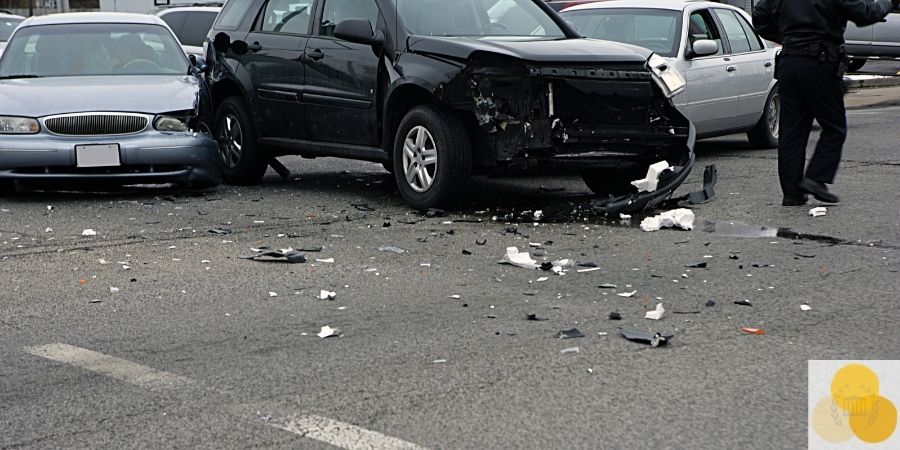
Does calling it an “accident” mean no one is at fault?
No. In an injury claim, fault usually means negligence: failing to use the care a reasonable person would have used in the same situation (Cornell Law School’s Legal Information Institute, or Cornell LII). Negligence is about carelessness, not intent, so a crash no one meant to cause can still be someone’s fault.
A made-up example: a driver glances at a text and rear-ends you at a red light. They didn’t mean to hit you, and many people would call it an accident, but watching a phone instead of the road isn’t the care a reasonable driver uses.
Even laws that say “accident” recognize that someone can be at fault. Michigan’s Vehicle Code speaks of “an accident caused by that individual” (MCL 257.617(3)) and has the State Police analyze each report for “the cause of the reported accident” (MCL 257.622). See how fault is decided and proved and the most common types of car accidents, which often point to who is usually at fault.
Not sure who was at fault in your crash? Get a free case review. Four quick questions, no cost, no obligation.
Does saying “crash” change what your claim is worth?
No. The label doesn’t change the legal test: fault turns on negligence and the evidence, and compensatory damages are meant to equal the loss you suffered (Cornell LII). Value depends on your injuries and losses, your share of the fault, the insurance available and the evidence; see what a car accident claim is worth.
What should you say after a crash?
Either word is fine. What matters is sticking to the facts, because what you say can become evidence: in Michigan, your own statement can generally be offered against you in a later lawsuit (MRE 801(d)(2)).
- To the police: say what happened: where you were, which way you were going and what you saw. If you don’t know something, such as the other car’s speed, say so instead of guessing.
- About fault: don’t guess, apologize or say the crash was your fault, even to be polite. Fault is decided later, from the evidence. The California Department of Insurance advises saving your story for the police and your insurance company and not signing statements about fault.
- To insurers: notify your own insurer right away and give it the same facts (California Department of Insurance). You have no contract with the other driver’s insurer (Texas Department of Insurance), so you don’t have to give it a recorded statement, and it’s safer not to before you’ve had advice.
- To doctors: say you were in a crash and how it happened, and describe every symptom, even minor ones.
For the first days, keep our checklist of 10 things to do after a car accident handy.
What to do next
- Get medical care and describe every symptom.
- Write down what happened while it’s fresh, in plain facts, keep photos and witnesses’ names, and check the police report for mistakes.
- Mark your deadlines. In Michigan, give your auto insurer written notice within one year of the crash to protect your PIP benefits (MCL 500.3145(1)), and file most injury lawsuits within three years (MCL 600.5805(2)). Other states differ: see each state’s deadline to sue.
- Get a free case review. Tell us what happened in four quick questions, at no cost. Hurt in Michigan? You can also compare Michigan injury lawyers.
What waiting can cost
- Your right to sue. A late lawsuit is generally barred, however strong the case (in Michigan, MCL 600.5805(1)), and Michigan’s one-year PIP notice rule can run out first (MCL 500.3145(1)).
- The evidence. Cars get repaired and video gets recorded over.
- Your own story. A guess or an apology at the scene can be quoted back to you when fault is argued (in Michigan, MRE 801(d)(2)).
What a good outcome looks like
The police report and your insurer’s file describe what happened, not anyone’s guess. Fault is settled on the evidence, and if another driver was careless, their insurance pays what the law allows. From wondering whether “just an accident” means no one is responsible to knowing that fault turns on the facts, and how to keep those facts on your side.
For more, browse our car, truck and motorcycle accident guides.
Frequently asked questions
What is the difference between a car crash and a car accident?
There's no legal difference: both words describe the same event. The difference is in what they suggest. 'Accident' can imply that no one could have prevented it, which is why NHTSA announced in 1997 that it would stop using the word in its publications and recommended 'crash' or 'collision' instead (NHTSA). Neither word decides who was at fault. That turns on the evidence of who failed to use reasonable care (Cornell LII).
Why do police say 'collision' instead of 'accident'?
In New York City's case, to avoid suggesting that no one was to blame. When the NYPD renamed its Accident Investigation Squad the Collision Investigation Squad in 2013, Commissioner Ray Kelly wrote that 'accident' had sometimes given the inaccurate impression that no one was at fault or liable (Gothamist). Practice varies: Michigan's Vehicle Code still says 'accident', while police there record crashes on the State of Michigan Traffic Crash Report, the UD-10 (MCL 257.622; Michigan State Police).
If the police report calls it an accident, does that mean no one was at fault?
No. The word on a report isn't a finding about fault. Michigan's own Vehicle Code speaks of 'an accident caused by' a driver (MCL 257.617(3)). Insurers take their own positions on fault (Texas Department of Insurance), and if a Michigan case goes to trial and more than one person may be at fault, the jury, or the judge if there's no jury, sets each one's percentage of fault from the evidence (MCL 600.6304). Get a copy of the report and check it for mistakes.
Will calling it a crash instead of an accident get me more compensation?
No. The word doesn't change the legal test. Fault depends on whether someone failed to use reasonable care, and compensatory damages are meant to equal the loss you suffered (Cornell LII). What moves the value of a claim is how badly you were hurt, your documented losses, your share of the fault, the insurance available, your state's rules and the evidence.
What does 'accidental bodily injury' mean in Michigan no-fault insurance?
It's what personal injury protection (PIP) pays for: accidental bodily injury arising out of the ownership, operation, maintenance or use of a motor vehicle as a motor vehicle, paid without regard to fault (MCL 500.3105(1), (2)). 'Accidental' is judged from the side of the person claiming benefits: an injury counts as accidental unless the injured person suffered it intentionally or the claimant caused it intentionally (MCL 500.3105(4)). It isn't a finding that no one was careless.
Should I apologize or admit fault after a crash?
No. Share the information the law requires (in Michigan, your name and address, the vehicle's registration number and its owner's name and address, and your license, MCL 257.619) and describe what happened, but don't guess about fault or say the crash was your fault. You may not know everything that caused it, and in Michigan your own statement can generally be offered against you later (MRE 801(d)(2)). The California Department of Insurance advises saving your story for the police and your insurer and not signing statements about fault.
Sources
- NHTSA Now, Vol. 3, No. 11 (August 11, 1997): 'Crashes Aren't Accidents' campaign, archived copy · National Highway Traffic Safety Administration, via the Internet Archive
- Global status report on road safety 2023 (December 13, 2023) · World Health Organization
- Road traffic injuries (fact sheet, July 20, 2026) · World Health Organization
- NYPD Finally Makes Sweeping Changes To Crash Investigations (March 11, 2013) · Gothamist
- NYPD's Collision Investigation Squad (June 26, 2013) · Police Magazine
- A matter of AP Style (April 4, 2016) · Columbia Journalism Review
- Fighting Traffic: The Dawn of the Motor Age in the American City, by Peter D. Norton (2008), book page, archived copy · The MIT Press, via the Internet Archive
- When Cities Treated Cars as Dangerous Intruders, by Peter Norton (adapted from Fighting Traffic), archived copy · The MIT Press Reader, via the Internet Archive
- Negligence (Wex legal dictionary) · Legal Information Institute, Cornell Law School
- Compensatory damages (Wex legal dictionary) · Legal Information Institute, Cornell Law School
- MCL 257.601, Rules of the road apply to highways unless a section says otherwise · Michigan Legislature
- MCL 257.617, Duty to stop after an accident causing serious impairment or death · Michigan Legislature
- MCL 257.619, Duties of a driver involved in an accident · Michigan Legislature
- MCL 257.622, Reporting accidents to police · Michigan Legislature
- MCL 500.3105, PIP benefits for accidental bodily injury, without regard to fault · Michigan Legislature
- MCL 500.3135, Tort liability for noneconomic loss; comparative fault · Michigan Legislature
- MCL 500.3145, Limitations on actions for PIP benefits; notice of injury · Michigan Legislature
- MCL 600.5805, Period of limitations for injuries to persons or property · Michigan Legislature
- MCL 600.6304, Allocation of fault · Michigan Legislature
- Traffic Crash Reporting Unit: Frequently Asked Questions (UD-10) · Michigan State Police
- Michigan Rules of Evidence (updated with orders effective January 28, 2026): MRE 801(d)(2), An opposing party's statement · Michigan Supreme Court
- So You've Had an Accident, What's Next? · California Department of Insurance
- Accident not your fault? Here's how to deal with the other driver's insurance (updated April 24, 2025) · Texas Department of Insurance
Updated September 29, 2026
This guide is general information, not legal advice, and laws change. For advice about your situation, talk to a lawyer licensed in your state. Reading this page or contacting us does not create an attorney-client relationship.