

A driver hit you, your car or someone you love, and took off. Here’s what to do. Get somewhere safe, call 911 and don’t chase the other car. Report the crash to police right away, even if you feel fine, and write down everything you remember about the car and the driver. Then see a doctor and tell your own insurance company. If the driver is never found, your own coverage usually pays: uninsured motorist (UM) coverage, medical payments coverage (MedPay) or, in no-fault states such as Michigan, personal injury protection (PIP). Each comes with conditions, and a prompt police report is often one of them.
You’re not alone. In 2023, more than 900,000 police-reported crashes in the United States, 15% of the total, involved a driver who left the scene. They resulted in more than 240,000 injuries and 2,872 deaths, according to a March 2026 AAA Foundation for Traffic Safety analysis of federal crash data. Michigan’s rules are in the boxes marked “In Michigan.”
Hurt and not sure where you stand? Get a free case review. Four quick questions, no cost, no obligation.
What should you do right after a hit-and-run?
Do what you safely can, in this order:
- Get safe and call 911. Move a drivable car out of traffic and turn on your hazard lights, or get off the road if you were walking or biking. The Michigan State Police say it’s generally safest to wait in your car, seat belt buckled. If you’re hurt, wait for the ambulance instead of driving yourself.
- Don’t chase the other driver. A chase can end in another crash or a dangerous confrontation, the Los Angeles Police Department warns. Tell the 911 dispatcher which way the car went.
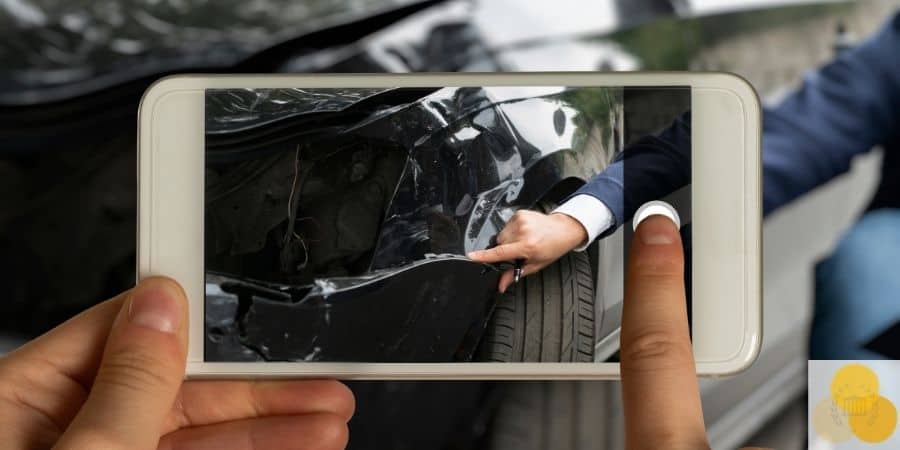
- Write down and photograph what you can, if it’s safe: the license plate, even part of it; the car’s make, model, color and damage; what the driver looked like; your injuries; and any glass, parts or paint the other car left behind.
- Find witnesses and video. Get names and phone numbers from anyone who stopped. Ask nearby businesses and homes about security and doorbell cameras quickly, because video can be recorded over.
- Get medical care the same day or the next, even if you feel fine. The CDC says some concussion symptoms may not appear for hours or days.
- Tell your own insurer right away. Give it the reasonable information it asks for and cooperate as your policy requires, Michigan’s Department of Insurance and Financial Services (DIFS) advises. Ask for your policy and its declarations page, which lists your coverages and limits.
Our checklist of 10 things to do after a car accident covers the days that follow.
Why does a quick police report matter so much?
- Your insurance may require it. Most auto policies require police notice within a set time after a hit-and-run, the California Department of Insurance says. In California, the law itself sets 24 hours for an uninsured motorist claim against an unknown driver (Cal. Ins. Code § 11580.2(b)).
- It’s the best chance of finding the driver. Many drivers who flee are likely never caught. National crash data has information on only 47% of the drivers who fled fatal crashes from 2017 to 2023, the ones eventually caught (AAA Foundation for Traffic Safety).
- Other help can depend on a police report, such as Michigan’s crime victim compensation program (MCL 18.360).
What does the law require of the driver who fled?
Hit-and-run laws require drivers in a crash to stay at the scene and identify themselves to the others involved or to police, whoever caused it and however minor it seems (Cornell Law School’s Legal Information Institute). The details and penalties vary by state.
Who pays for your injuries if the driver is never found?
Usually your own insurance, along with other coverage you already have:
| Coverage | What it pays | What to check |
|---|---|---|
| Uninsured motorist (UM) | Your injury losses when an uninsured or hit-and-run driver hits you (NAIC) | Whether you bought it; its conditions and deadlines |
| MedPay or PIP | Treatment of injuries to you and your passengers. PIP, in no-fault states, can also pay lost wages and funeral costs (NAIC) | Your limit |
| Collision | Damage to your car from a collision (NAIC) | Your deductible |
| Health insurance | Your medical care, under your plan | Deductibles and copays |
| Crime victim compensation | Some crime-related costs, such as medical care, counseling and lost wages (U.S. Office for Victims of Crime) | Whether your state’s program covers your crash |
What conditions come with uninsured motorist coverage?
Some states require drivers to carry UM coverage (NAIC). When the driver can’t be identified, policies and state laws can add conditions, and California’s show how strict they can be. There, UM covers an unknown driver only if (Cal. Ins. Code § 11580.2(b)):
- the injury came from physical contact between the hit-and-run vehicle and you or the vehicle you were in,
- you, or someone for you, reported the crash to police within 24 hours, and
- within 30 days after that, you gave your insurer a sworn statement that you have a claim against someone who can’t be identified, with the facts behind it.
Under a physical-contact rule, a driver who forced you off the road without touching you may not count. Rules differ by state and by policy, so read your policy’s UM section now: how it defines a hit-and-run vehicle, when you must notify police and the insurer, and how long you have to claim or sue.
Walking or biking? About one in four pedestrians and cyclists hurt or killed in 2023 was hit by a driver who fled (AAA Foundation for Traffic Safety), and your auto policy may still cover you. See also pedestrian accident claims and bicycle accident claims. California’s UM law protects the policyholder, their spouse and relatives who live with them, whether or not they were in a vehicle (Cal. Ins. Code § 11580.2(b)).
Expect your insurer to ask for records of your injuries, medical expenses and lost wages (California Department of Insurance). Our guides to talking to insurance adjusters and how insurance companies evaluate injury claims explain what comes next.
Can crime victim compensation help?
Every state has a crime victim compensation program that can reimburse costs such as medical care, counseling, lost wages and funeral costs. Eligibility varies, so ask the program where the crash happened whether a hit-and-run qualifies (U.S. Office for Victims of Crime).
Not sure which coverage pays, or whether your policy's deadlines have started? Get a free case review. Four quick questions, no cost, no obligation.
What happens if police find the driver?
Three separate things can follow:
- A criminal case, brought by the government through a prosecutor. A conviction needs proof beyond a reasonable doubt (U.S. Courts).
- Restitution: money a convicted driver is ordered to pay you as part of the sentence (U.S. Courts).
- A civil claim for your injuries, which needs less proof: that the driver is more likely than not responsible (U.S. Courts). If the driver had bodily injury liability insurance, which covers injuries a driver causes to others, the claim usually goes to that insurer; if not, your UM coverage may pay (NAIC). The car’s owner may share responsibility: nearly three in five drivers who fled fatal crashes and were later caught were driving a vehicle they didn’t own (AAA Foundation for Traffic Safety). If someone died, the family may have a wrongful death claim.
Don’t wait for an arrest. The deadline to sue, and your policy’s deadlines, generally keep running while police search.
Do you need a hit-and-run lawyer?
Not always. If your injuries heal quickly and your own coverage pays the bills, you may not need one. Uninsured motorist (UM) coverage, if you have it, can pay after a hit-and-run (Texas Department of Insurance), but the claim still has to be proven. In California, for example, UM pays what you’re “legally entitled to recover” from the driver, within your limits, and a disagreement with your insurer over that goes to arbitration (Cal. Ins. Code § 11580.2(a)(1), (f)). Your insurer may also take a recorded statement, and can sometimes request an examination under oath (California Department of Insurance).
A lawyer can help most when:
- the insurer disputes coverage, such as whether the other car made physical contact, or whether you notified police and the insurer in time (see what conditions come with UM coverage);
- your injuries are serious, and a claim for pain and suffering is at stake;
- a deadline is close, such as your policy’s deadline for a UM claim or lawsuit;
- police find the driver, and you may also have a claim against them (see above).
See how an uninsured motorist claim works and how personal injury lawyers get paid, and get any fee agreement in writing.
What to do next
- Report the crash and get the report number, if you haven’t already, to the police agency where it happened.
- Notify your insurer in writing, and read your UM section. Put its deadlines on your calendar. In Michigan, send written PIP notice within one year, or notify the Assigned Claims Plan within one year if no policy covers you (MCL 500.3145(1), 500.3174).
- Get medical care, and keep every record: bills, receipts, mileage to appointments and notes from work.
- Ask for video and witness contacts now, before footage is recorded over.
- Get a free case review before you give a recorded statement or sign anything. Tell us what happened in four quick questions, or, in Michigan, compare injury lawyers near you.
What waiting can cost
- Your UM coverage. In California, reporting an unknown driver to police more than 24 hours after the crash can put the claim outside UM coverage (Cal. Ins. Code § 11580.2(b)).
- Your claim deadline. In one Michigan case, two people learned the other driver was uninsured only after suing her, more than a year after the crash, and their policy’s one-year limit ended their UM claim (Rory v Continental Insurance Co, 2005).
- Your no-fault benefits. Missing Michigan’s one-year notice to your insurer or the Assigned Claims Plan can cost you those benefits (MCL 500.3145(1), 500.3174).
- Evidence. Video gets recorded over, cars get repaired and witnesses move on.
What a good outcome looks like
The police report is on file within hours, and your insurer has written notice well before any deadline. Your medical bills get paid while you heal, and any UM claim rests on complete records. If police find the driver, restitution and a claim against the driver help cover what your own insurance didn’t. From wondering who pays when the other driver has fled to knowing which coverage can help, what it requires and why a quick police report matters.
For more, see the most common types of car accidents, our car accident lawsuit guide and all our car, truck and motorcycle accident guides.
Frequently asked questions
What should I do right after a hit-and-run?
Get safe and call 911 or the local police (Michigan State Police), and don't chase the other driver (Los Angeles Police Department). Report the crash to police right away, write down the plate and a description of the car, find witnesses and cameras, get checked by a doctor and notify your own insurer. The California Department of Insurance notes that most auto policies require police notice within a set time after a hit-and-run.
Who pays for my injuries if the hit-and-run driver is never found?
Usually your own coverage. Uninsured motorist (UM) coverage pays when an uninsured or hit-and-run driver hits you, and medical payments coverage (MedPay) or personal injury protection (PIP) pays for treatment (NAIC). In Michigan, PIP is paid without regard to fault (MCL 500.3105(2)), and people with no PIP of their own can usually claim through the Michigan Assigned Claims Plan if they notify it within one year (MCL 500.3172, 500.3174).
Does uninsured motorist coverage pay after a hit-and-run?
It can, if you bought it and meet its conditions. For an unknown driver, policies and state laws can require physical contact and a prompt police report. California's law, for example, covers an unknown driver only after physical contact with the hit-and-run vehicle, a police report within 24 hours and a sworn statement to the insurer within 30 days after that (Cal. Ins. Code § 11580.2(b)). In Michigan, UM coverage is optional, and its terms come from your policy (Rory v Continental Insurance Co, 2005).
Is leaving the scene of an accident a felony in Michigan?
Yes, if the crash caused a death or a serious impairment of a body function: up to 5 years of imprisonment, a fine of up to $5,000, or both, and up to 15 years, a fine of up to $10,000, or both if the fleeing driver caused a crash that killed someone (MCL 257.617). Leaving after a crash that injured anyone is at least a misdemeanor, punishable by up to 1 year or $1,000, or both (MCL 257.617a). Leaving after damaging a vehicle someone was driving or attending is a misdemeanor punishable by up to 90 days or $100, or both (MCL 257.618).
What happens if police find the driver who hit me?
A prosecutor can bring criminal charges. In Michigan, a court that convicts the driver must order restitution for losses such as medical bills and lost income (MCL 780.766, 780.826). You can also bring a civil claim against the driver, and possibly the car's owner (MCL 257.401). Most Michigan injury lawsuits must be filed within three years of the injury (MCL 600.5805(2)).
Do I need a hit-and-run lawyer?
Not always. If your injuries heal quickly and your own coverage pays the bills, you may not need one. A lawyer can help most when your insurer disputes uninsured motorist (UM) coverage, for example over physical contact with the other car or late notice; when your injuries are serious and a claim for pain and suffering is at stake; when a policy or notice deadline is close; or when police find the driver. In Michigan, PIP needs written notice within one year, UM generally pays pain and suffering only if the injury meets the threshold, and a contingency fee in an injury or no-fault claim can't be more than one-third of the recovery after case costs (MCL 500.3145(1), 500.3135(1); Rory v Continental Insurance Co, 2005; MCR 8.121).
Can I get crime victim compensation after a hit-and-run in Michigan?
Possibly. Michigan's program pays some crime-related costs only after insurance and other sources, and its list of example crimes names drunk driving (DWI/DUI) but not hit-and-run. The law requires proof that a crime directly caused the injury and was reported to police (MCL 18.360), so call the program at 877-251-7373 to ask. Claims generally must be filed within five years (MCL 18.355).
Sources
- Understanding the Increase in Fatal Hit-and-Run Crashes: Prevalences of Crashes, Injuries, and Deaths in the United States, 2017-2023 (Research Brief, March 2026) · AAA Foundation for Traffic Safety
- How to Handle a Roadside Emergency · Michigan State Police, Office of Highway Safety Planning
- What should I do if I get in a traffic collision? · Los Angeles Police Department
- Symptoms of Mild TBI and Concussion · Centers for Disease Control and Prevention
- Auto Insurance Policies and How to Claim What is Yours (FIS-PUB 0216A) · Michigan Department of Insurance and Financial Services
- Brief Explanation of Michigan No-Fault Insurance (FIS-PUB 0202A) · Michigan Department of Insurance and Financial Services
- Traffic Crash Reporting Unit: Frequently Asked Questions (UD-10) · Michigan State Police
- So You've Had an Accident, What's Next? · California Department of Insurance
- Cal. Ins. Code § 11580.2, Uninsured motorist coverage · California Legislative Information
- Accident not your fault? Here's how to deal with the other driver's insurance (last updated April 24, 2025) · Texas Department of Insurance
- What Does Auto Insurance Cover? (June 11, 2026) · National Association of Insurance Commissioners
- Hit and run statute (Wex legal dictionary) · Legal Information Institute, Cornell Law School
- Victim Compensation · U.S. Department of Justice, Office for Victims of Crime
- Crime Victim Compensation: Do I Qualify? · Michigan Department of Health and Human Services
- What is Crime Victim Compensation? · Michigan Department of Health and Human Services
- Crime Victim Services Compensation Application Reference Guide (revised February 2025) · Michigan Department of Health and Human Services
- Criminal Cases · Administrative Office of the U.S. Courts
- Civil Cases · Administrative Office of the U.S. Courts
- Rory v Continental Insurance Co, 473 Mich 457 (2005) · Michigan Supreme Court
- MCL 257.617, Duty to stop after a crash causing serious impairment or death; penalties · Michigan Legislature
- MCL 257.617a, Duty to stop after a crash causing injury; penalty · Michigan Legislature
- MCL 257.618, Duty to stop after a crash damaging a vehicle; penalty · Michigan Legislature
- MCL 257.619, Duty to give information and render aid · Michigan Legislature
- MCL 257.622, Duty to report crashes involving injury, death or $1,000 in property damage
- MCL 257.601, Operation of vehicles on highways; scope of the rules of the road · Michigan Legislature
- MCL 257.401, Owner's liability for negligent operation · Michigan Legislature
- MCL 500.3101, Required no-fault coverages · Michigan Legislature
- MCL 500.3105, PIP benefits payable without regard to fault · Michigan Legislature
- MCL 500.3107, Allowable expenses, work loss and replacement services · Michigan Legislature
- MCL 500.3107c, PIP medical coverage levels · Michigan Legislature
- MCL 500.3113, People not entitled to PIP benefits · Michigan Legislature
- MCL 500.3114, Order of priority for PIP claims · Michigan Legislature
- MCL 500.3115, PIP claims by people who were not in a vehicle · Michigan Legislature
- MCL 500.3116, Reimbursement of PIP from a tort recovery · Michigan Legislature
- MCL 500.3135, Tort liability for noneconomic loss; serious impairment of body function · Michigan Legislature
- MCL 500.3145, Limitations on actions for PIP benefits; notice of injury · Michigan Legislature
- MCL 500.3172, Claims through the Michigan Assigned Claims Plan · Michigan Legislature
- MCL 500.3173, People disqualified from PIP are also disqualified from the Assigned Claims Plan · Michigan Legislature
- MCL 500.3174, One-year notice to the Assigned Claims Plan · Michigan Legislature
- MCL 600.5805, Period of limitations for injuries to persons or property · Michigan Legislature
- MCR 8.121, Contingent fees in claims or actions for personal injury, wrongful death, and no-fault benefits (Michigan Court Rules, updated September 2, 2026) · Michigan Supreme Court
- MCL 780.766, Restitution after a felony conviction · Michigan Legislature
- MCL 780.826, Restitution after a misdemeanor conviction · Michigan Legislature
- MCL 18.355, Crime victim compensation: filing deadline · Michigan Legislature
- MCL 18.360, Crime victim compensation: facts that must be verified · Michigan Legislature
- MCL 18.361, Crime victim compensation: award amounts · Michigan Legislature
Updated September 29, 2026
This guide is general information, not legal advice, and laws change. For advice about your situation, talk to a lawyer licensed in your state. Reading this page or contacting us does not create an attorney-client relationship.